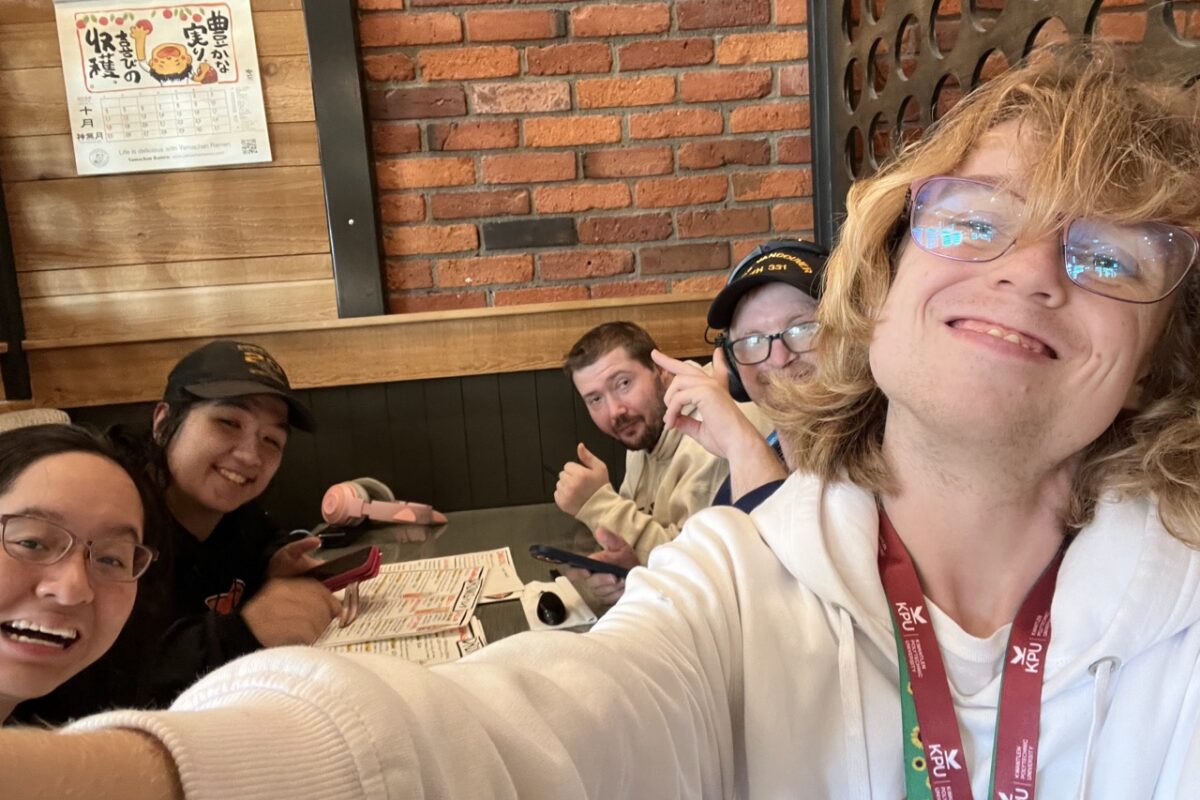
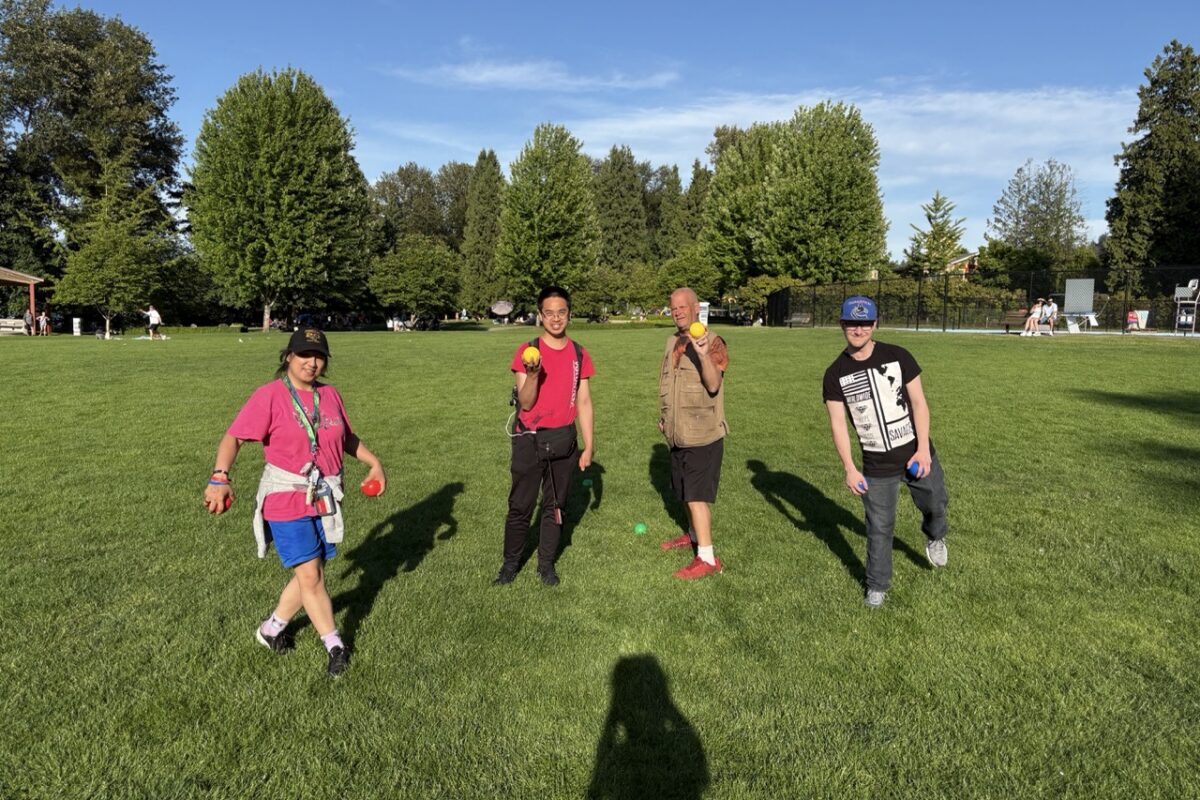
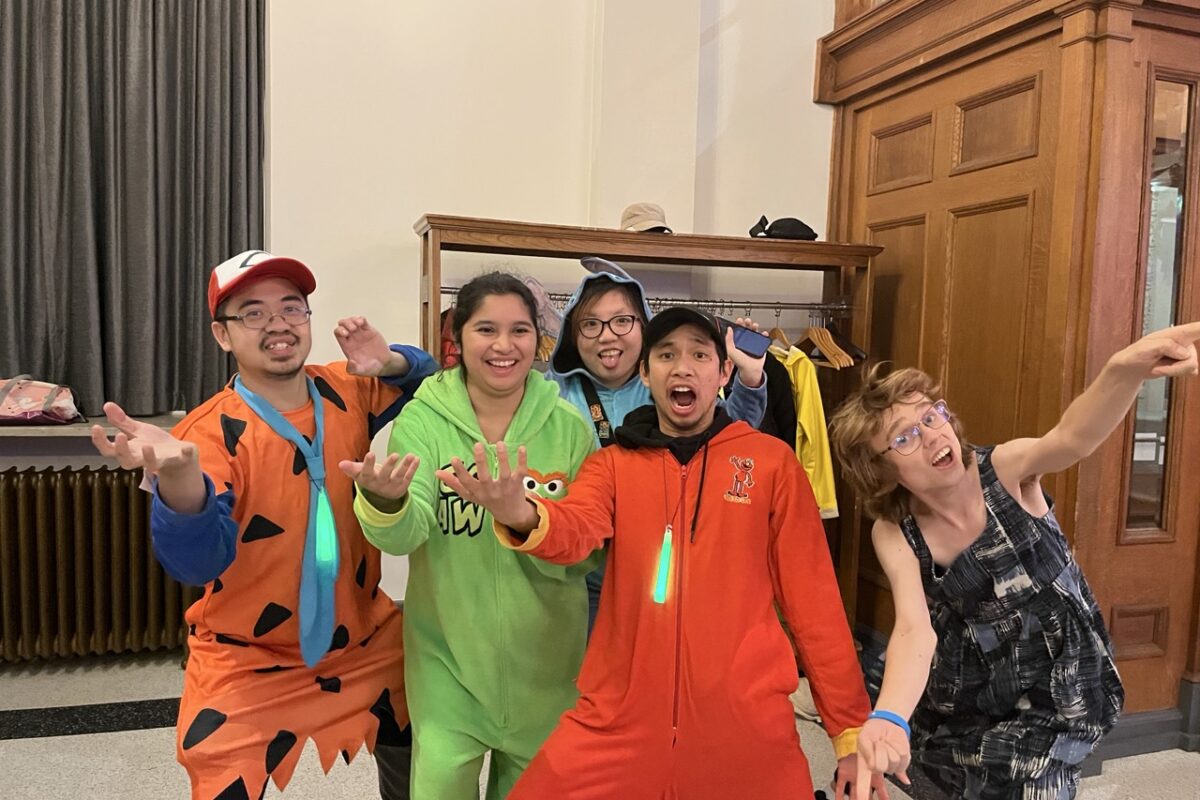
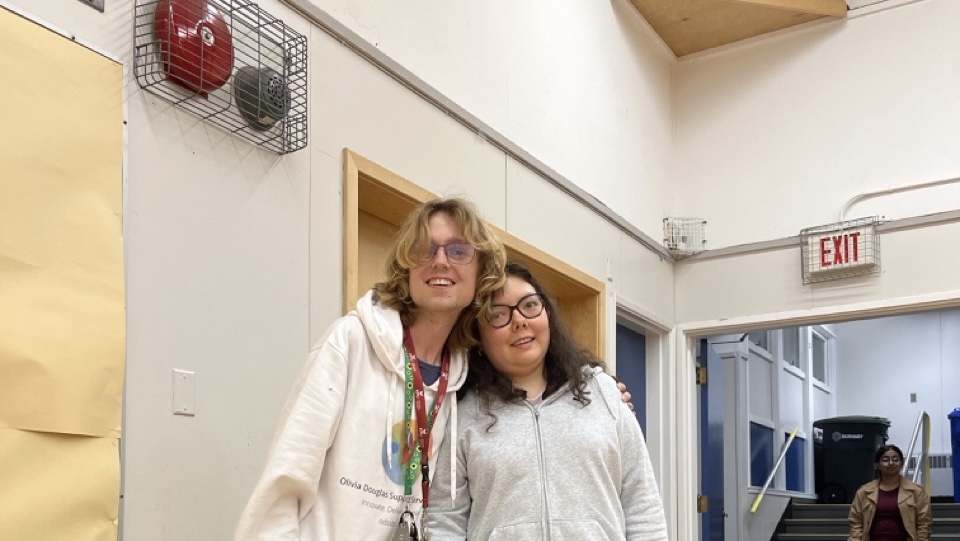
Kumira is a next-generation experience platform launched in 2026 with a single, grounding premise: disability should never be a reason to step outside the rhythm of community life. Rather than offering scheduled programs, compliance-driven services, or segregated “accessible” alternatives, Kumira operates as an open, fluid ecosystem where disabled people are invited to participate in everyday life on their own terms. Its defining feature is an unstructured delivery model that replaces rigid pathways with spontaneous, self-paced, and deeply human connection.
The Unstructured Delivery Model
Traditional inclusion often requires disabled individuals to adapt to fixed schedules, formal enrollment processes, or pre-packaged activities. Kumira flips this dynamic. Experiences are never mandatory, time-bound, or prescriptive. Instead, they emerge organically: a neighborhood potluck that welcomes drop-in participants, a weekend community repair workshop where tools and tasks are adapted on the fly, or a digital storytelling circle that opens its floor whenever someone feels ready to contribute. There are no prerequisites, no attendance logs, and no “correct” way to participate. Users drift in and out like tides, guided only by curiosity, capacity, and community invitation.
How It Works in Practice
- Open-Door Participation: Local hosts, non-profits, and community living organizations broadcast informal opportunities through Kumira’s platform. Activities range from micro-scale (a shared reading corner, a bike maintenance meetup) to neighborhood-scale (pop-up art installations, seasonal harvest walks).
- On-Demand Support Layers: While the delivery is unstructured, support is ever-present but non-intrusive. Real-time accessibility cues, peer buddies, and adaptive tools appear contextually—never as barriers to spontaneity.
- Co-Creation Over Consumption: Disabled users aren’t just participants; they’re shapers. They can modify activities in real time, suggest adaptations, or lead micro-experiences that reflect their interests and rhythms. The platform records these contributions as living community assets, not case files.
- No “Disability” Filter: Kumira doesn’t segment by condition or need. Instead, it maps to personal preferences, energy levels, communication styles, and environmental sensitivities, allowing seamless matching without labeling.
Community Impact & Philosophy
Kumira was born from the quiet exhaustion of disabled people who are told to “just participate” while being handed rigid systems that don’t account for chronic pain, sensory overload, mobility limits, or neurodivergent processing. The platform’s unstructured delivery isn’t chaos—it’s intentional space-making. It recognizes that inclusion fails when it demands conformity to ableist timelines and formats. By embracing spontaneity, Kumira cultivates interdependence: neighbors learn to adapt, hosts practice flexible facilitation, and disabled individuals reclaim agency over when, where, and how they engage with the world.
In cities and towns across 2026 and beyond, Kumira doesn’t ask communities to build separate “accessible” spaces. It helps them design ordinary spaces that naturally bend, breathe, and welcome everyone as they are.
Kumira: Not a program to join. A space to be you.